Learn About Bitcoin
Whether you're completely new to Bitcoin or looking to deepen your understanding, these Kenyan resources will help you on your journey. From the basics of what Bitcoin is to advanced technical concepts, we've compiled educational materials tailored for Kenyans.
Getting Started: Bitcoin Basics
What Is Bitcoin?
Bitcoin is the world's first decentralized digital currency. Unlike the Kenyan Shilling or US Dollar, no government or company controls it. Bitcoin allows you to send and receive money anywhere in the world, instantly and with minimal fees.
Why Bitcoin Matters for Kenya
- Financial Inclusion: Anyone with a mobile phone can use Bitcoin – no bank account required.
- Remittances: Send money to family and friends abroad without expensive transfer fees or limited by banking hours.
- Savings Protection: Protect your savings from currency devaluation with Bitcoin's fixed supply of 21 million coins.
- Business Growth: Accept international payments without intermediaries or permission. Eliminate unwanted chargebacks, payment reversals and high merchant processing fees.
Essential Concepts
The Bitcoin Ledger (aka Blockchain)
Like all forms of money, Bitcoin uses a ledger to keep track of transactions. The primary difference with the Bitcoin ledger (commonly referred to as a blockchain) is that it is decentralized, meaning there is no bank, no government and no fintech company in charge of adding transactions to the ledger. Instead the Bitcoin protocol software enforces the fair and honest use of the ledger so that nobody can cheat the system. To interact with the Bitcoin ledger and make transactions all you need is a piece of software or mobile app commonly refered to as a 'wallet.''
Bitcoin Wallets
A Bitcoin wallet is like M-Pesa for Bitcoin. It stores your bitcoin (using a cryptograpic keys) which allows you to send and receive bitcoin payments and also keeps track of your balance. There are different types of wallets for different use cases:
- Mobile Wallets: Apps on your smartphone (great for daily spending)
- Hardware Wallets: Physical devices for secure long-term savings
- Desktop Wallets: Computer software that works in tandem with hardware wallets.
Private Keys & Security
Your private key is like your PIN code – never share it with anyone. If someone gets access to your private key, they can use your bitcoin without your permission. Securing your bitcoin requires personal responsibility just like your own health!
Not your keys, not your coins – This means if you don't control your private keys (like when Bitcoin is on an exchange), you don't truly own that bitcoin. As you continue learning about bitcoin taking full ownership of your bitcoin will be one of the first hands-on lessons you learn.
Sending & Receiving Bitcoin
Bitcoin addresses are like mobile numbers for Bitcoin. To receive bitcoin, share your bitcoin address with the sender. To send bitcoin, enter the recipient's bitcoin address and the amount. Transactions are confirmed on the bitcoin and secured by the Bitcoin blockchain. Once a bitcoin transaction is confirmed, it is permanent and cannot be reversed.
Intermediate Topics
How Bitcoin Works
Bitcoin operates on a blockchain – a public ledger that records all transactions. This ledger is maintained by thousands of computers worldwide, making it impossible for any single entity to manipulate. You can even have your own copy of the ledger and participate in the decentralized network!
Mining is the process by which new Bitcoin is created (up until the total 21 millions coins are created) and new transactions between peers are confirmed. Miners use powerful computers to secure the network and as a reward for their service they earn bitcoin rewards.
Bitcoin's Fixed Supply
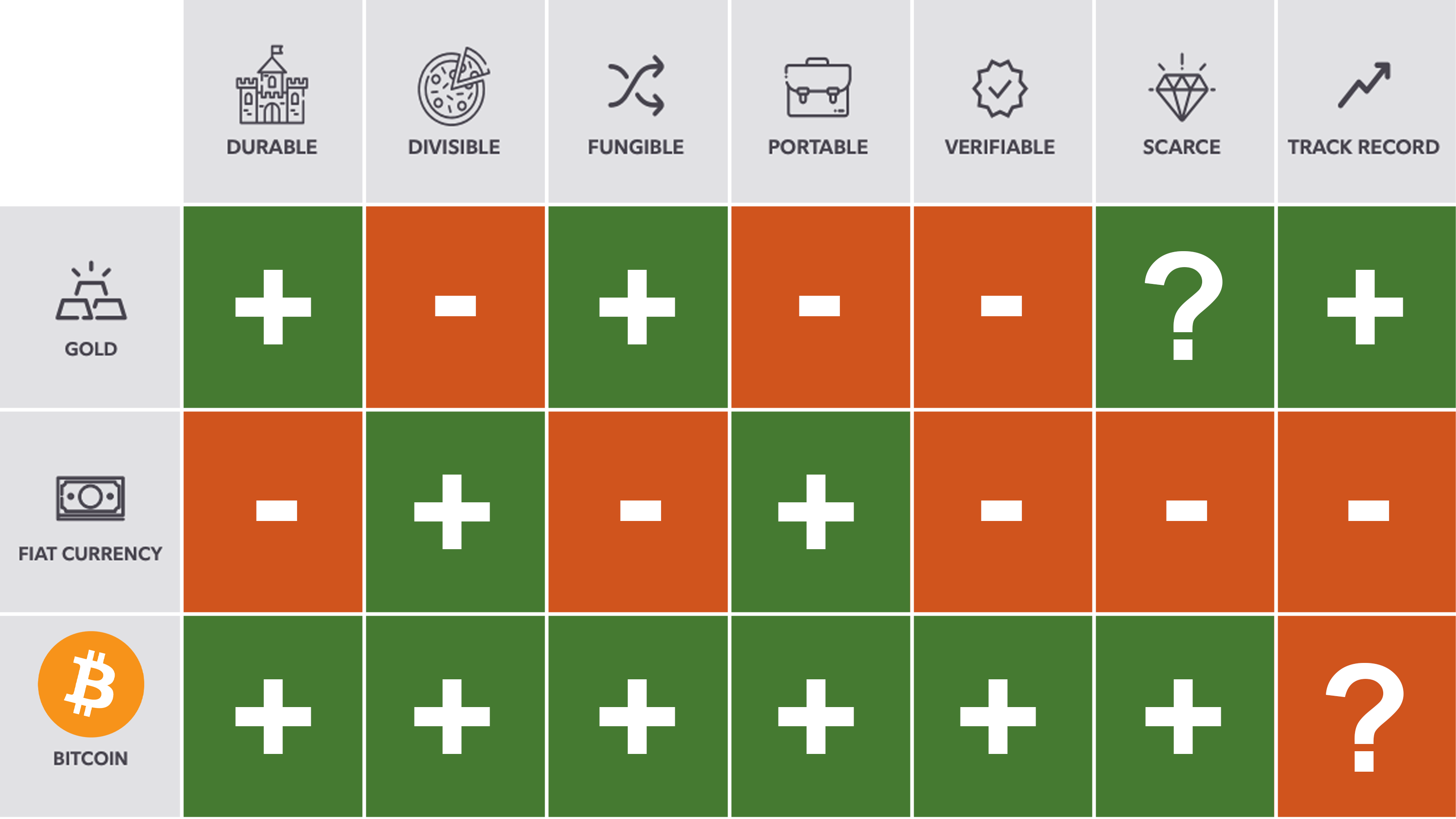
Only 21 million Bitcoin will ever exist. This scarcity makes Bitcoin similar to gold – but easier to transport, divide, and verify. New Bitcoin is created at a predictable rate that decreases over time, with the last Bitcoin expected to be mined around the year 2140.
Transaction Fees
When you send Bitcoin, you pay a small fee to the network for processing your transaction. This fee helps to further secure the network and ensure everyone plays by the rules. Fees can vary over time and are determined purely based on demand. Which means you can choose the fees you pay based on your own priorities. Compare this to traditional bank wire transfers or Western Union where they determine the fee you pay! Bitcoin fees are usually much lower and are set not by a corporation but by the free market.
Advanced Learning
Lightning Network
The Lightning Network is a "Layer 2" solution built on top of Bitcoin. It enables instant, near-zero-fee payments – perfect for buying unga or paying for matatu rides. Think of it as a faster version of M-Pesa with bitcoin security using a borderless currency.
Multi-signature Wallets
Multisig wallets require multiple approvals before spending Bitcoin. For example, a business could require 2 out of 3 directors to approve any payment – providing enhanced security and shared control.
Bitcoin Node Operation
Running a Bitcoin node means running the Bitcoin software on your computer and keeping your own copy of the ledger/blockchain. Nodes verify all transactions ensuring the network follows the rules. By running a node, you contribute to Bitcoin's decentralization and can verify transactions independently.
Learning Resources
Online Courses
Explore these free courses taught by Kenyans to deepen your Bitcoin knowledge and have a chance to ask all of your burning questions:
The Core
Providing accessible Bitcoin education and fostering community development throughout Africa and beyond.
Bitcoin Dada
Creating a safe space for the African woman to learn about Bitcoin, while being part of a women-focused community that wants her to succeed.
Bitsavers Eduhub
Empowering young professionals and individuals in informal settlements with Bitcoin financial literacy, promoting financial inclusion, and fostering economic independence.
BitDevs Nairobi
BitDevsNBO is a meetup devoted to the research and development of Bitcoin. More technical in nature, but open to all.
Bitcoin School Kenya
Empowering Bitcoin Education.
African Bitcoiners
Discover Bitcoin step by step through an interactive, gamified web experience designed for beginners with no technical background required.
Books
- The Bitcoin Standard by Saifedean Ammous – The Decentralized Alternative to Central banking
also available in Swahili and as afree ebook. - The Bitcoin Handbook by Anil Patel – Key Concepts in Economics, Technology & Psychology
- Anti-Riba Money by Abdullah ibn Oda – Dismantling Usury Through Bitcoin
- The Hidden Cost of Money by Seb Bunney – How Financial Forces Shape Our Lives & the World Around Us
- Why Bitcoin by Tomer Strolight
- Resistance Money by Andrew Bailey, Bradley Rettler, Craig Warmke – A Philosophical Case for Bitcoin
- Broken Money by Lyn Alden – Why Our Financial System is Failing Us and How We Can Make it Better
Local Communities
Connect with other Kenyans learning about Bitcoin:
- Nairobi Bitcoin Meetups – Monthly gatherings for Bitcoin enthusiasts
- Kenya Bitcoin Community – Online forums and social media groups
- University Bitcoin Clubs – Student-led education initiatives at Kenyan universities
Common Questions
Is Bitcoin legal in Kenya?
Yes! Since 2025 Kenya has had regulations allowing for companies and individuals to participate in the global bitcoin revolution. Many Kenyans use bitcoin legally for savings, remittances, cross-border payments, tourism, employment in the bitcoin indistry and much much more. That being said, Bitcoin the protocol is not governed by any country. It is governed by code, math and the laws of physics. Kenya regulators chose to regulate businesses that offer bitcoin services, but they cannot regulate the bitcoin network.
How do I get some bitcoin?
There are many ways! You can earn it by working for it. You can buy it from exchanges for friends. You can win some by playing bitcoin games, or completeing bitcoin learning tasks. You can even buy some from local Bitcoin ATMs. Always use reputable platforms and verify seller ratings. It's best to enroll in at least one of the free bitcoin courses first so the local instructors can help you choose a reputable source to obtain bitcoin. You might even win some free bitcoin by just participating in the classes!
Vist the Earn Bitcoin section to discover more ways to earn bitcoin in Kenya. Another way to get bitcoin is to just buy this new better money by trading on your old money. There are several ways that you can buy bitcoin in Kenya.
Can I buy a fraction of a Bitcoin?
Yes! You don't need to own a whole Bitcoin. Bitcoin is very divisable. The smallest unit of bitcoin is called a satoshi (0.00000001 BTC). So while there is a maximum supply of 21 million bitcoin, there are 100,000,000 satoshis per bitcoin, which means there are 2.1 quadrillion satoshis for the entire world to use to transact. With a total supply 2,100,000,000,000,000 satoshis, you can see how it's easy to start with just a few bob worth of bitcoin!
How do I keep my Bitcoin safe?
Use a reputable wallet, back up your recovery phrase (12 or 24 words), never share your private keys, and consider a hardware wallet for large amounts. Treat your Bitcoin like cash – if you lose it, it's gone. Pro-tip: Relax. Take your time. Practice. If you are ever unsure, ask a trusted friend for assistance. But remember to never share your private keys with anyone you don't absolutely trust.