Electrifying Kenya with Bitcoin
Kenya is blessed with abundant renewable energy – from geothermal fields in the Rift Valley to hydroelectric dams on the Tana River, and endless solar potential across the country. Yet much of this energy goes unused, especially in rural areas far from major cities.
Bitcoin mining offers a revolutionary solution: monetize stranded energy, fund infrastructure development, and bring electricity to rural communities while creating sustainable economic growth.
The Energy Challenge
Kenya's Energy Paradox
Despite Kenya's renewable energy abundance, many challenges remain:
- Stranded Energy: Remote renewable energy sources lack transmission infrastructure to reach population centers
- Grid Imbalance: Power plants must reduce output during low-demand periods, wasting potential
- Rural Electrification: Extending the grid to remote villages is often economically unviable
- Baseload Economics: Renewable plants need reliable customers to justify investment
- Curtailment: Excess solar and wind power is wasted when production exceeds demand
The Rural Reality
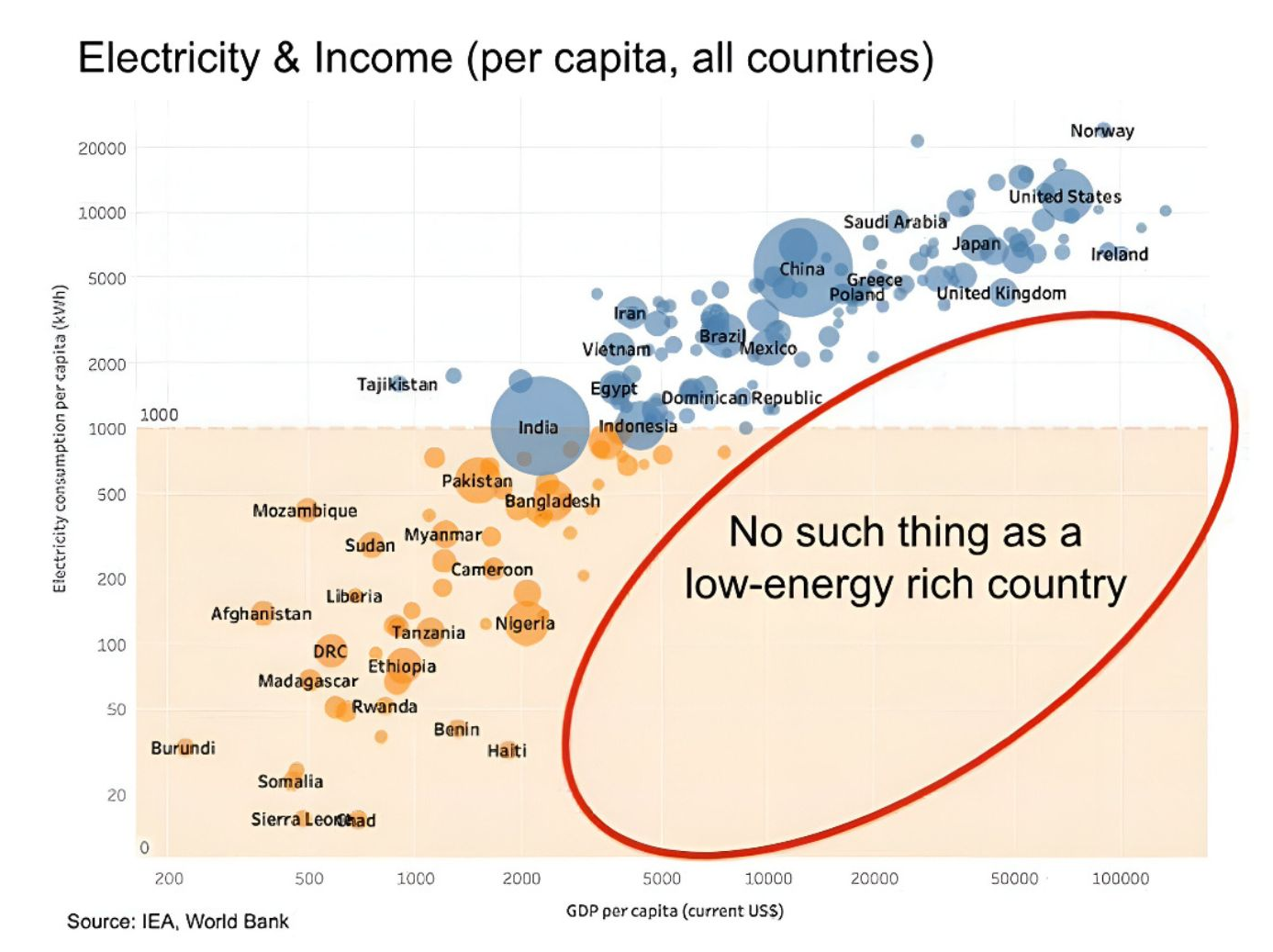
While Nairobi and Mombasa enjoy reliable electricity, millions of Kenyans in rural areas still lack power access. Without electricity, rural communities cannot develop industries, preserve food, power clinics, or provide quality education.
Bitcoin Mining as Energy Solution
What Is Bitcoin Mining?
Bitcoin mining is the process of securing the Bitcoin network by performing computational work. Miners use electricity to run specialized computers that verify transactions and secure the blockchain. In return, they earn Bitcoin rewards.
Key insight: Bitcoin miners are flexible electricity buyers who can operate anywhere with power and internet connection, making them ideal partners for remote energy projects.
Monetizing Stranded Energy
Bitcoin mining transforms previously worthless stranded energy into valuable digital currency:
- Location Independent: Miners can locate near remote renewable sources, eliminating transmission costs
- 24/7 Demand: Provides consistent revenue for power plants, improving project economics
- Instant Global Market: Convert local electricity into Bitcoin, then sell globally
- No Intermediaries: Direct monetization without banks or payment processors
- Price Certainty: Power purchase agreements with predictable long-term revenue
Flexible Load Management
Bitcoin miners act as "controllable load" that can turn on and off instantly:
- Mine during off-peak hours when electricity is cheap and abundant
- Shut down during peak demand, freeing capacity for homes and businesses
- Stabilize grids by consuming excess renewable energy
- Reduce curtailment of solar and wind power
Geothermal + Bitcoin: Kenya's Advantage
The Rift Valley Opportunity
Kenya sits on the East African Rift, one of the world's most promising geothermal regions. Geothermal energy is ideal for Bitcoin mining:
- 24/7 Baseload: Unlike solar or wind, geothermal runs continuously
- Low Cost: Once built, geothermal has minimal fuel costs
- Scalable: Kenya has 10,000+ MW of geothermal potential (only ~1,000 MW developed)
- Remote Locations: Many geothermal sites are far from cities – perfect for mining
Case Study: Olkaria Geothermal Complex
Imagine Bitcoin miners co-locating at Olkaria:
- Purchase excess capacity during off-peak hours
- Provide guaranteed revenue stream, enabling more geothermal development
- Create high-tech jobs in Naivasha and surrounding areas
- Export "digital energy" as Bitcoin to global markets
- Demonstrate proof-of-concept for other renewable projects
Mini-Grids & Rural Electrification
The Mini-Grid Challenge
Mini-grids are small-scale power systems that can electrify rural villages. However, they face economic challenges:
- High upfront investment costs
- Low initial demand from rural customers
- Long payback periods
- Uncertain revenue streams
Bitcoin as Anchor Tenant
Bitcoin mining can solve mini-grid economics by acting as an "anchor tenant":
- Guaranteed Base Load: Miners provide consistent demand from day one
- Revenue Certainty: Immediate cash flow to service loans and fund expansion
- Demand Response: Miners reduce load as village demand grows
- Grid Stability: Balanced load prevents voltage fluctuations
- Scalable Model: Proven economics attract more mini-grid investment
The Progression Model
- Phase 1: Build mini-grid with solar/hydro/wind + battery storage
- Phase 2: Bitcoin miners consume 80% of capacity, funding infrastructure
- Phase 3: Village electrification begins – homes, shops, clinics connect
- Phase 4: As village demand grows, mining scales back proportionally
- Phase 5: Local industries develop, creating sustainable economic activity
Real-World Impact
What this means for rural Kenya:
- Refrigeration for food storage and medical supplies
- Lighting for homes, schools, and businesses
- Power for water pumps and irrigation
- Internet connectivity and digital services
- Small-scale manufacturing and processing
- Improved education through computers and online learning
Economic Benefits
Job Creation
Bitcoin mining infrastructure creates diverse employment:
- Technical Jobs: Mining facility operators, technicians, electricians
- Engineering: Power plant optimization, grid management
- Construction: Building mining facilities and electrical infrastructure
- Support Services: Security, maintenance, logistics
- Indirect Jobs: Local businesses serving workers and facilities
Energy Independence
Bitcoin mining strengthens Kenya's energy sovereignty:
- Reduces reliance on imported fossil fuels
- Monetizes domestic renewable resources
- Exports energy digitally without physical infrastructure
- Earns foreign exchange through Bitcoin sales
- Increases energy security and resilience
Infrastructure Investment
Mining operations accelerate energy infrastructure development:
- Improved grid reliability benefits all users
- New transmission lines serve multiple purposes
- Internet connectivity expands to remote areas
- Roads and logistics networks improve
- Technical expertise and knowledge transfer
Foreign Investment
Kenya's renewable energy + Bitcoin mining potential attracts global capital:
- International mining companies invest in Kenyan projects
- Development finance for renewable energy expansion
- Technology transfer and capacity building
- Kenya positions itself as Africa's Bitcoin mining hub
Environmental Considerations
Renewable-Powered Mining
Bitcoin mining in Kenya should prioritize clean energy:
- Geothermal: Zero-emission baseload power
- Hydroelectric: Established clean energy source
- Solar: Abundant potential, especially in northern Kenya
- Wind: Turkana and coastal regions offer strong wind resources
Reducing Waste
Bitcoin mining turns energy waste into productive use:
- Captures otherwise-curtailed renewable energy
- Reduces need for fossil fuel backup power
- Improves renewable energy project economics
- Accelerates transition away from diesel generators
Heat Recovery
Mining equipment generates heat that can be repurposed:
- Agricultural drying (coffee, tea, maize)
- Greenhouse heating
- Industrial processes
- District heating for buildings
Policy & Regulatory Framework
What Kenya Needs
To unlock Bitcoin mining's potential, Kenya should consider:
- Power Purchase Incentives: Favorable rates for interruptible/flexible loads
- Grid Connection Standards: Streamlined process for mining facility connections
- Import Exemptions: Reduce tariffs on mining equipment to encourage adoption
International Examples
Kenya can learn from other countries:
- El Salvador: Geothermal Bitcoin mining, regulatory clarity
- Bhutan: Increasing of public sector wages through monetization of hydro power
- Iceland: Renewable energy + mining cluster
- Texas: Grid-responsive mining that improves stability
- Norway: Hydroelectric mining operations
Public-Private Partnership Model
Collaboration between government, utilities, and mining companies:
- KenGen partnerships with Bitcoin miners
- County governments facilitating mini-grid projects
- Rural Electrification Authority integrating mining into expansion plans
- Technology transfer agreements
The Path Forward
Pilot Projects
Start with small-scale demonstrations to prove the concept:
- 1-5 MW mining facility at existing geothermal plant
- Mini-grid pilot in rural community with Bitcoin anchor tenant
- Solar + mining project in northern Kenya
- Grid-responsive mining demonstration in Nairobi area
Scaling Up
After successful pilots, expand systematically:
- Multiple geothermal sites across Rift Valley
- Hundreds of mini-grids with mining anchor tenants
- Large-scale solar farms in arid regions
- Hydroelectric sites with mining co-location
Long-Term Vision
Kenya as Africa's renewable energy + Bitcoin hub:
- Thousands of megawatts of new renewable capacity
- Universal electricity access in rural Kenya
- Thriving Bitcoin mining industry
- Export of expertise to other African nations
- Energy-driven economic transformation
Get Involved
Whether you're an energy producer, investor, engineer, or policymaker, there's a role for you in Kenya's energy transformation:
- Energy Companies: Explore partnerships with Bitcoin mining operations
- Investors: Fund pilot projects and infrastructure development
- Engineers: Design and optimize mining facilities and mini-grids
- Communities: Advocate for mini-grid projects in your area
- Students: Study renewable energy and Bitcoin technology
Want to work in this emerging sector? Contact Gridless Compute or Green Africa Mining Alliance (GAMA) to discover opportunities in the bitcoin mining space.